

Rebranding & UX for Medical Platform
The case shows how design, branding, and user experience were applied to structure a new model of digital interaction between doctors and patients.
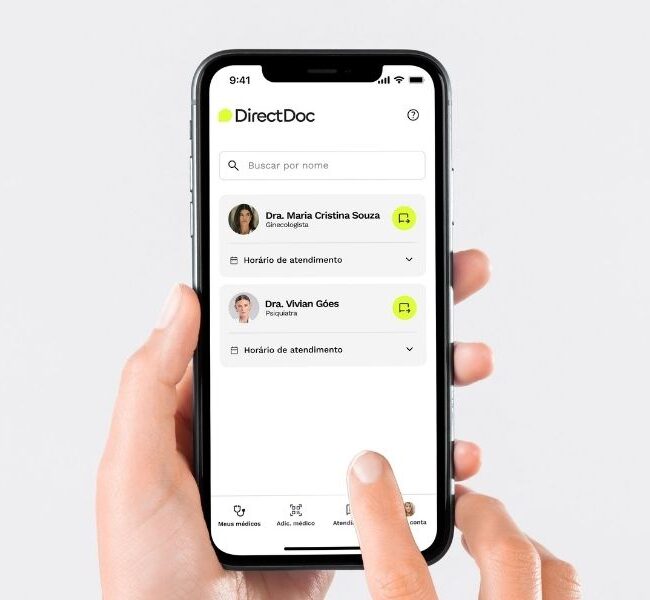
Rebranding & UX for Medical Platform
The case shows how design, branding, and user experience were applied to structure a new model of digital interaction between doctors and patients.
O futuro da telemedicina está sendo cada vez mais moldado pela comunicação via chat.
Estudos indicam que 3 em cada 10 pacientes com idades entre 18 e 29 anos recorrem à telemedicina por meio de bate-papo, frequentemente utilizando aplicativos como o WhatsApp, especialmente para questões de menor complexidade.
Aproximadamente 57% das mensagens envolvem sintomas leves — como dores de cabeça, febre, congestão nasal ou problemas de saúde mental — e 77,6% dos casos são resolvidos na própria conversa, sem a necessidade de uma consulta presencial.
Nesse contexto, o DirectDoc surge como uma tecnologia médica projetada para estruturar esse tipo de comunicação em um ambiente seguro, possibilitando consultas digitais, mensagens, compartilhamento de exames e registro do histórico do paciente.
A plataforma também introduz um novo modelo de negócios para médicos, permitindo a monetização de orientações baseadas em mensagens, ampliando as possibilidades de acompanhamento clínico e promovendo uma interação mais contínua entre médicos e pacientes.
The platform needed to evolve to deliver a clearer and more reliable experience for two distinct audiences—physicians and patients—while also structuring its brand, narrative, and digital journey for launch and expansion.
The project involved revising the visual identity, user experience, and communication architecture of the app.
Key challenges included:
Fragmented experience: The initial app flow did not clearly communicate the stages of the user journey, making navigation and service understanding more difficult.
Two audiences with distinct needs: Physicians and patients have different expectations regarding the platform, from scheduling and payments to clinical information exchange and prescriptions.
Building digital trust: Health apps require a strong perception of security, clear processes, and transparency regarding data, privacy, and payments.
Communication and launch structuring: Beyond the product, it was necessary to structure the platform’s entire communication ecosystem, including the website, App Store presence, email journeys, and institutional materials.
1. Diagnosis and Strategic Planning
Before redesigning the brand and digital experience, we conducted a diagnostic to understand how physicians and patients communicate outside consultations and which factors influence the adoption of a digital follow-up platform.
The diagnostic mapped the current communication journey between doctors and patients—often carried out through informal channels—and identified key barriers to adoption among healthcare professionals, such as time management, clinical responsibility, and organization of interactions.
We also analyzed the profile of physicians more likely to adopt the technology and the specialties with the greatest need for continuous follow-up.
These insights guided product planning and the redesign of the app experience for both physicians and patients.
2. User Experience (UX) Redesign
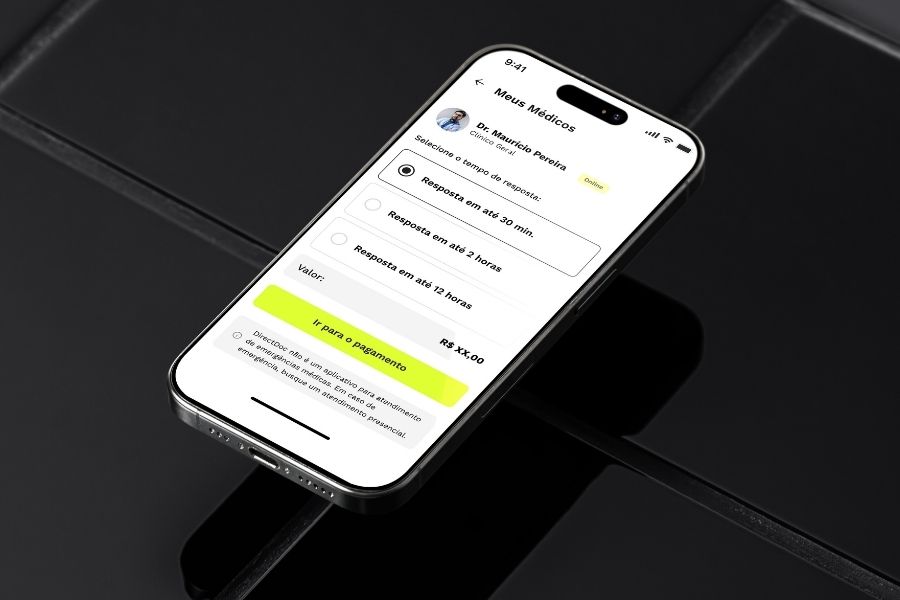
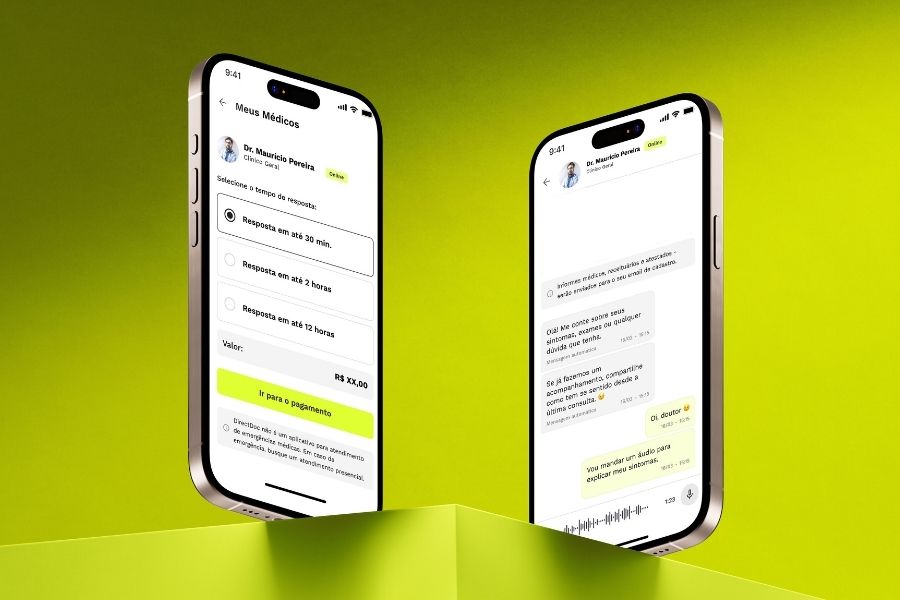
We mapped and reviewed the app’s key user journeys, including:
- onboarding and login flow
- appointment scheduling
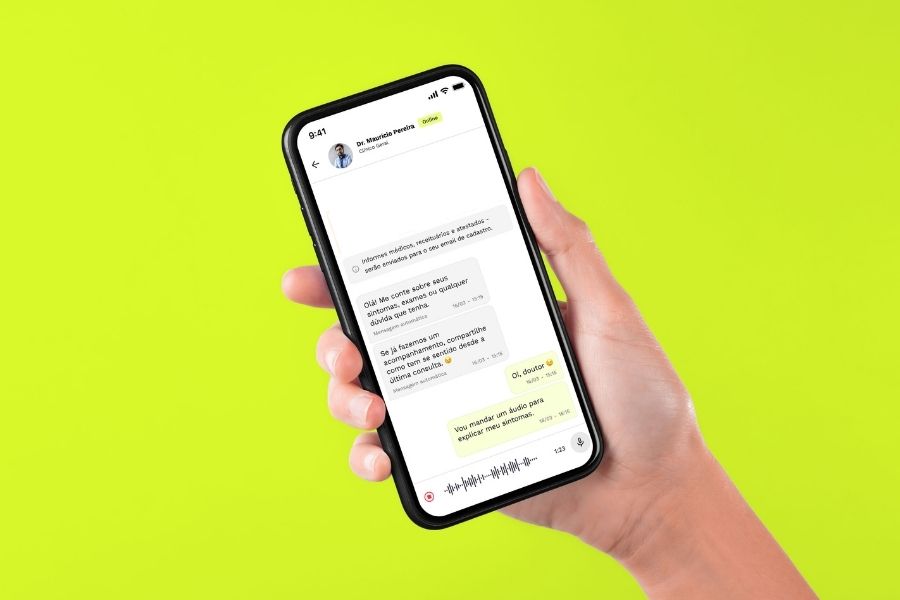
- doctor–patient communication
- medical history and document sharing
- payment system
- settings and support
The goal was to make the experience more intuitive, clear, and efficient for recurring use.
3. Restructuring of the product’s identity and language
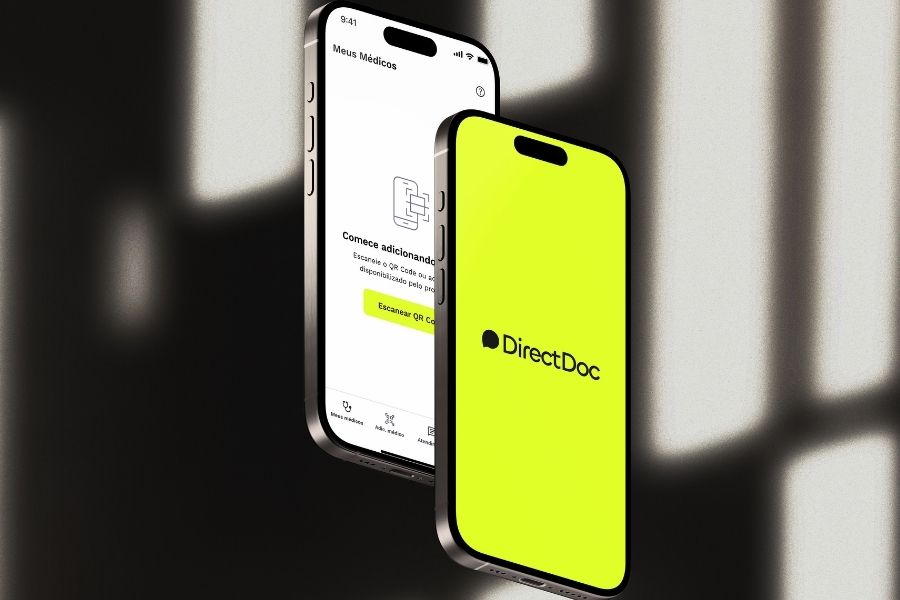
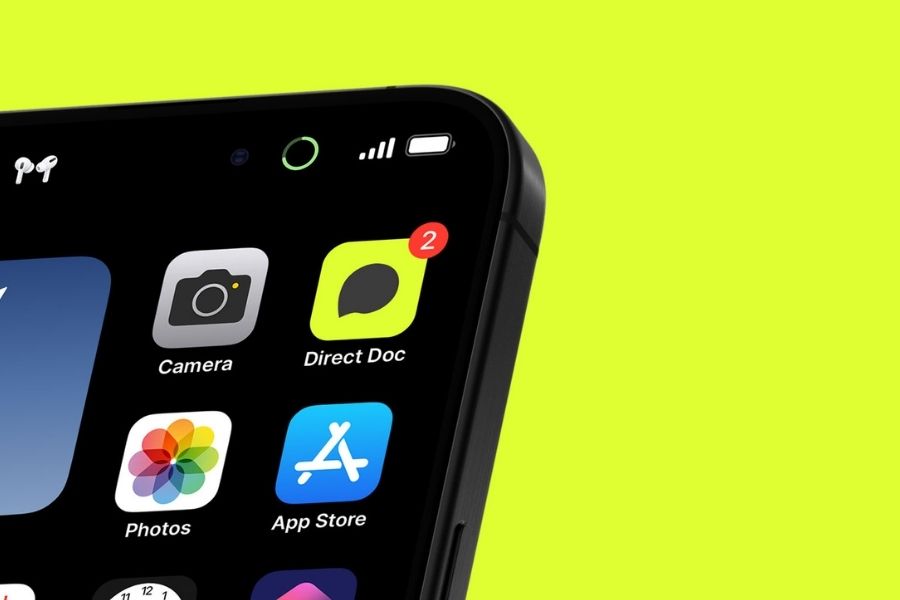
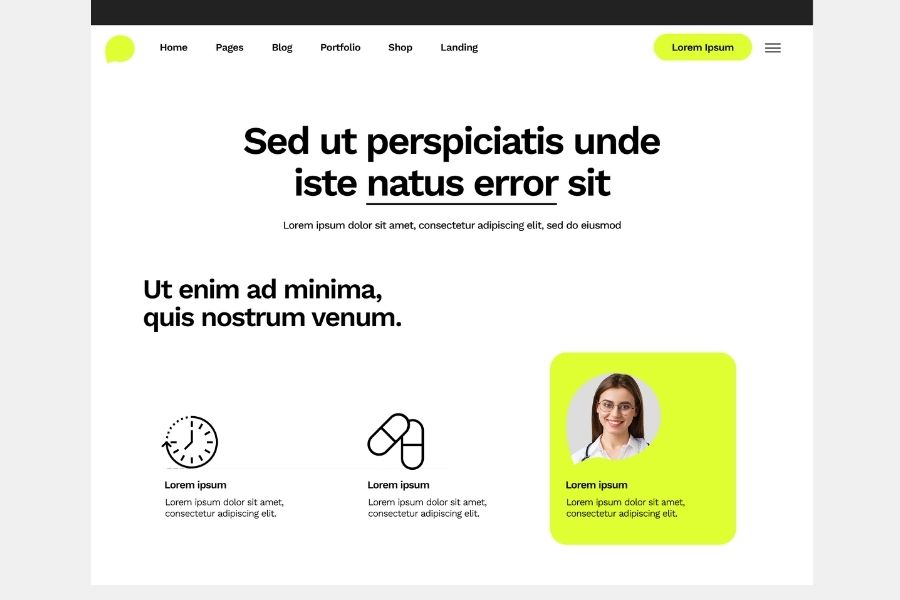
We developed a new visual system for the platform, including a brandbook, visual identity, typography, color palette, and icon system.
This set ensured visual consistency across all app interfaces and strengthened the brand’s perception of reliability.
4. Structuring of communication journeys
We also structured the platform’s transactional communication, including:
- email journeys for physicians and patients
- onboarding messages
- post-consultation feedback
- institutional communication templates
5. Launch Materials and Digital Presence
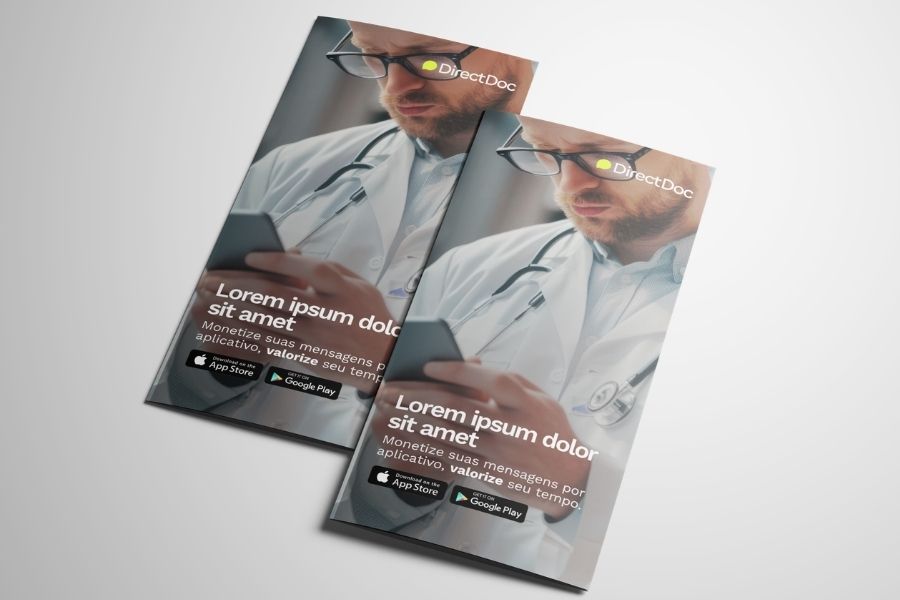
Key communication assets were developed to present the platform, including:
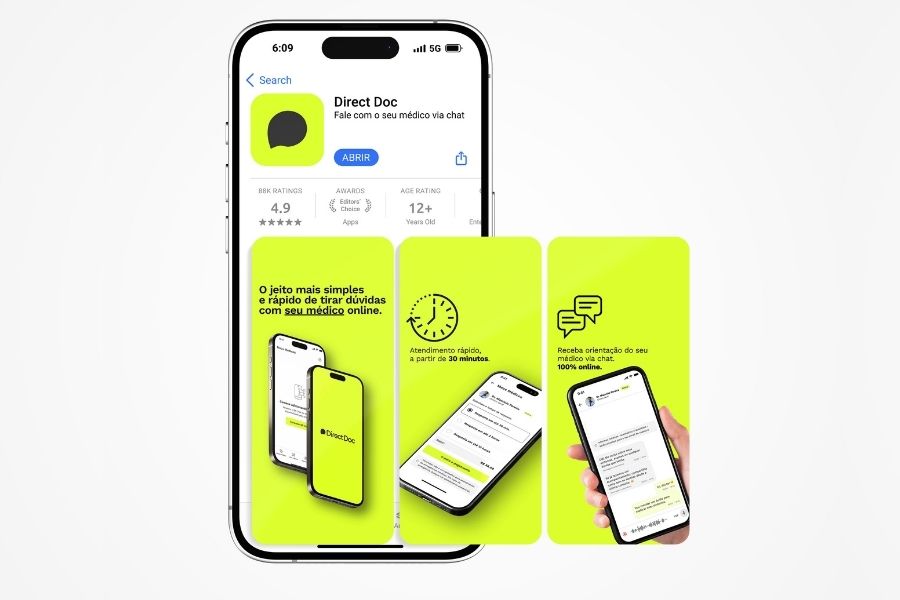
- App Store copy and messaging
- institutional website
- FAQ and support documentation
- app overview brochure
- institutional social media profiles
6. Launch and activation plan with physicians
As part of the strategic planning, we structured an initial launch approach focused on activating early adopter physicians—professionals more likely to incorporate new technologies into their clinical practice.
The plan considered that, in digital health platforms, technology adoption largely depends on physician engagement, as they are the ones who begin using the tool to support patient follow-up.
The strategy included defining priority professional profiles, designing onboarding journeys for the platform, and developing communication materials focused on presenting the app and building credibility.


The project positioned DirectDoc as a clearer and more reliable digital platform, aligning product experience, communication, and brand positioning to support its growth within the digital health ecosystem.